
Units
Anime Origins units database — every anime-inspired unit with roles, passives, elements, placement and tier advice for building your best team.
Introduction
Units are the heart of Anime Origins. Each unit is an anime-inspired fighter with a role — Ground DPS, Hill DPS, Hybrid or Support — plus unique passives like Third Eye, Bloodthirst, Coffin Trap or Restriction Release that change how it fights. Units are obtained through banner summons, level up with gold during battles, and become dramatically stronger through evolution once you collect the right materials. This database covers the current roster, what each unit does, where it fights, and which units are worth early investment, so you can plan a balanced team instead of summoning blindly.You will also find placement tips, best-trait pairings and farming notes for each unit, so the database works as both an encyclopedia and a team-building tool.
Anime Origins Unit Roster
| Unit | Role | Element | Passive |
|---|---|---|---|
| Madaro (Edo Tensei) | Ground DPS | Shadow | Edo Rebirth — revive with stored damage |
| Goju (Honored One) | Hybrid | Light | Six Eyes — crit stack & bypass |
| Konpatchi (Unleashed) | Ground DPS | Wind | Bloodthirst — bleed amp |
| Itsugo (Dangai) | Hill DPS | Water | Final Getsuga — wave nuke |
| Gyutari (Upper Moon) | Hybrid | Darkness | Regeneration — heal per kill |
| Goki (Super 3) | Ground DPS | Lightning | Rage — attack speed up |
Featured Units
Madaro (Edo Tensei)
Ground DPS carry — the current top meta unit
Goju (Honored One)
Flexible Hybrid with crit mastery
Konpatchi (Unleashed)
Aggressive bleed-based Ground DPS
Itsugo (Dangai)
Hill DPS with a devastating wave nuke
Gyutari (Upper Moon)
Self-healing Hybrid for long fights
Goki (Super 3)
Attack-speed Ground DPS
Core Mechanics
Every unit belongs to one of four roles that decide placement: Ground DPS units fight on the ground spots along the enemy path, Hill DPS units get elevated range and stronger damage but cost more, Hybrid units can be placed in either position, and Support units focus on income, debuffs or healing rather than raw damage. Beyond roles, units have elements that interact with the elemental meta and unique passives — Third Eye stacks crit and range, Bloodthirst amplifies bleed damage, Coffin Trap stuns bosses at a key threshold, and Restriction Release spawns summoned spirits. Units level up during battle with gold, and at max level with the right materials they can evolve into stronger forms with new abilities.
Advantages
A complete unit database is the difference between a smooth team and a wasted account. Knowing roles lets you build a balanced composition — ground DPS to hold the path, hill DPS to add range, a hybrid to cover gaps, and a support to fund upgrades. Passive knowledge stops you from investing in units that do not fit your strategy: a bleed-based unit without bleed teammates wastes half its kit, while a boss-stun unit is invaluable in Raids. Finally, the database tells you which units are worth evolution materials, so your Prismatic Remnants go to a true carrier rather than a situational pick.
Challenges
The roster changes with every banner and update, so any static list goes stale quickly. New limited units can instantly shift the meta, and balance patches regularly tweak damage values and passives — a unit that dominates one patch can be knocked down the next. Units are also heavily trait-dependent: the same unit can feel S-tier with Immortal and B-tier with a weak roll, so judging units in isolation misses half of the real picture.Always check the latest unit list and tier rankings before evolving a unit, because a passive that looks great on paper can underperform once you see it in combat, and evolution materials are too scarce to waste on the wrong pick.
Frequently Asked Questions
How do I place units in Anime Origins?+
What is the best starting unit?+
How do units level up?+
What are unit elements for?+
Quick Tips
Build ground DPS first and hill DPS second — a raw hill unit early leaves your path empty while it outranges nothing of value. Fill the cheap spots, then add range to your carry.Reserve your hill slots for units that need the range boost, like Itsugo, rather than cheap early DPS that fights just as well on the ground at a fraction of the cost.
Check a unit's passive before investing prisms. A passive that needs teammates (bleed, crit stacking) is only worth a prism investment if your team actually triggers it.For example, a bleed unit is only worth prisms if a teammate or trait applies bleed reliably, so test the synergy in a quick Story run before you commit your rarest upgrade items.
Keep at least one support unit for income. Faster gold means faster leveling, and in Anime Origins the carry that levels first tends to win the wave.A few extra gold per wave on one support unit often pays for a second level on your main carry by wave twenty, which is a larger power swing than adding a third DPS unit.
Do not evolve every unit — evolution materials are scarce, so save Remnants for your actual S-tier carries and evolve them before pushing Raids.The general rule is evolve one hero, then repeat the loop: clear higher raids, collect rarer remnants, and evolve the next priority unit in your team.The general rule is to evolve one hero, then repeat the loop: clear higher raids, collect rarer remnants, and evolve the next priority unit in your team.
Featured
Anime Origins Itsugo Dangai: Stats and Abilities Guide
Master the Anime Origins Itsugo Dangai unit with full stats and passive abilities. Compare it to Gyutari Upper Moon and Goki Super 3 for top DPS output.
Anime Origins Choto Unit: How to Use It Effectively
Learn the Anime Origins Choto unit roles, placement costs, and best positions. Pair it with Rose and Ishida for a balanced squad in every game mode.
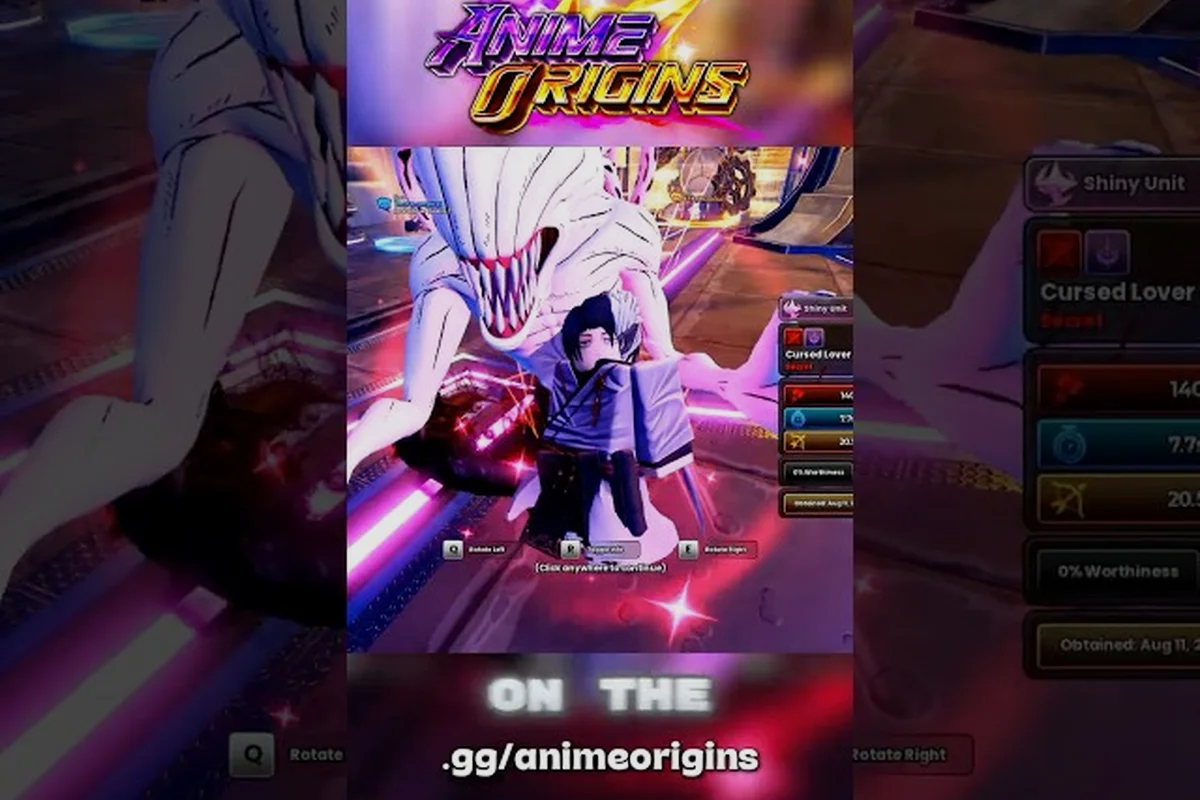
Anime Origins Max Level Unit: Costs and Stats Guide
Calculate the Anime Origins max level unit costs and placement fees. Use the stats explained to optimize damage output and gold efficiency across modes.
All Articles
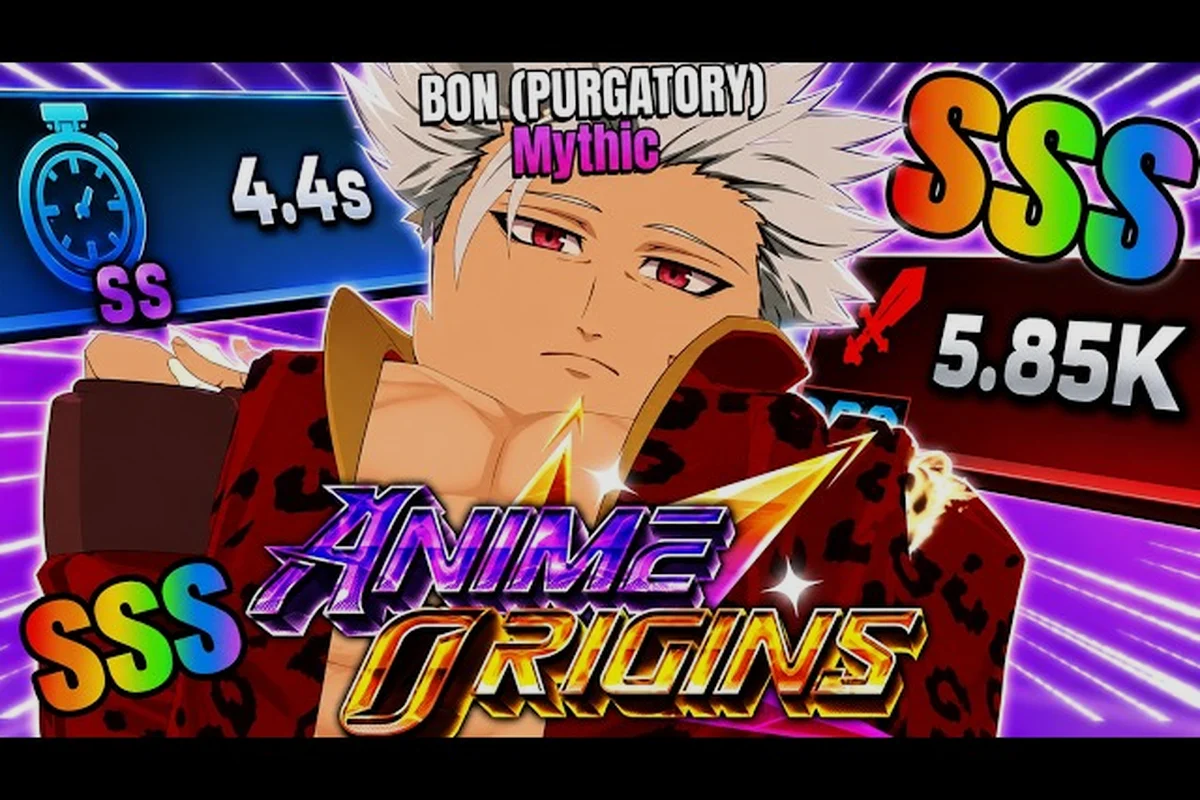
Anime Origins Unit Rarity List: Legendary to Secret
Explore the Anime Origins unit rarity list from Rare to Secret. Find the best units to summon and learn how to reliably get Legendary and Mythic pulls.
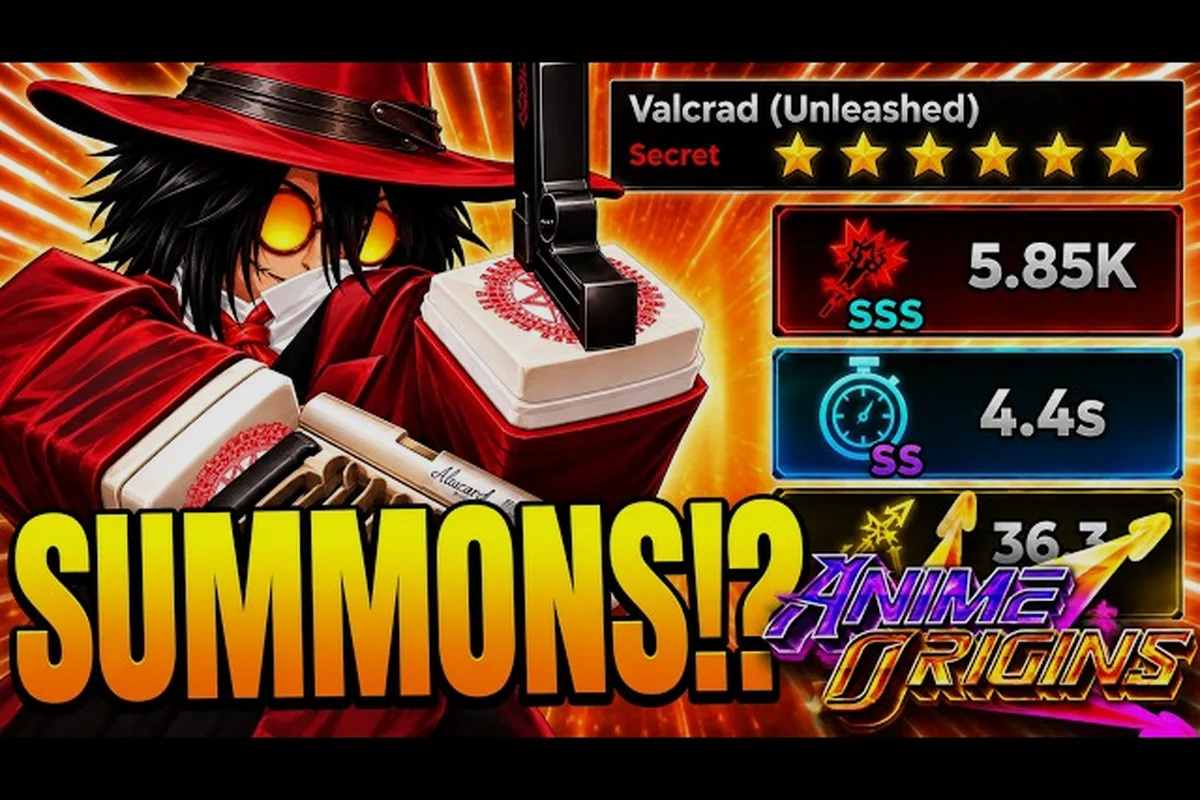
Anime Origins Valcrad Unleashed: Unit Breakdown Guide
Understand the Anime Origins Valcrad Unleashed unit strengths and weaknesses. See how it compares to Igritto Commander Starku and Yoto Calamity for raids.

Anime Origins All Units: Complete List and Stats Guide
Browse Anime Origins all units with full stats, passives, and abilities. Learn each unit's rarity and how to use them effectively in battle.
Anime Origins Limited Units: Banner Exclusives Guide
Check the Anime Origins limited units like Madaro Edo Tensei and Goju Honored One. Learn which banner exclusives are worth summoning right now.